
Multimodal AI means a single model can understand and generate more than one type of data — text, images, audio, and sometimes video — instead of being limited to just one. In practice, that’s why you can now show ChatGPT a photo and ask a question about it, or talk to Gemini out loud and get a spoken answer back, all in the same conversation without switching to a separate tool.
What Does “Multimodal” Actually Mean?
A “mode” here refers to a type of data: text, images, audio, and video are each a different mode. Older AI models were typically single-modal — a language model only handled text, a separate image-recognition model only handled pictures. Multimodal AI processes multiple modes with one model, learning relationships between them so it can, for example, describe what’s happening in an image, answer a spoken question in text, or generate an image from a written description. According to the general definition used in machine learning research, this integration is meant to achieve “a more holistic understanding of complex data” than any single mode could provide on its own.
How Multimodal Models Learn to Connect Different Types of Data
Different multimodal systems connect modes in different ways. Some, like CLIP, are trained specifically to learn a shared representation of images and their text descriptions, so the model can tell how well a caption matches a picture. Others, like Whisper, adapt the same transformer architecture used for language to a different kind of input — in Whisper’s case, converting audio into a spectrogram the model can process much like it would process a sequence of words. Large multimodal assistants such as GPT-4o and Gemini build on this idea at a bigger scale, training a single model across text, image, and audio data so it can move between them in one conversation rather than routing each type of input to a different specialized tool.
What Multimodal AI Actually Enables Today
- Visual question answering: uploading a photo and asking the model to explain, identify, or troubleshoot something in it.
- Voice conversations: speaking to an assistant and getting a spoken reply, without a separate speech-to-text step you have to manage yourself.
- Image generation from text: tools like Stable Diffusion and DALL-E turning a written description into a picture.
- Cross-modal search and retrieval: finding images using a text description, or vice versa, based on shared meaning rather than exact keyword matches.
OpenAI’s own announcement of GPT-4o described the goal explicitly as making interaction “more natural,” reasoning across voice, text, and vision in real time rather than treating each as a separate feature bolted onto a text-only model.
Multimodal AI vs. Single-Modal AI: Why the Distinction Matters for Prompting
Knowing whether a model is multimodal changes how you should prompt it. With a single-modal, text-only model, everything you want it to consider has to be described in words. With a multimodal model, you can often get a better result by showing rather than describing — pasting in a screenshot of an error instead of retyping it, or attaching a chart image instead of transcribing its numbers into a table first. The trade-off is that not every multimodal model handles every mode equally well: a model might be strong at describing images but weaker at reading small text within them, so it’s worth testing the specific task rather than assuming all multimodal models perform the same across every input type. This context window still matters here too — how much a model can consider at once applies to images and audio, not just text.
Frequently Asked Questions
Is ChatGPT a multimodal AI model?
Yes, the current versions of ChatGPT built on models like GPT-4o are multimodal: they can accept text, images, and voice as input and respond in kind, within the same conversation.
What’s the difference between multimodal AI and a chatbot that just uses plugins for images?
A true multimodal model processes different data types within one underlying model, learning relationships between them during training. A text model bolted to a separate image plugin routes the image to a different system entirely and passes back a text description, which is why it can miss context a genuinely multimodal model would catch, like subtle details in a photo the model itself never “saw.”
Do I need a multimodal AI model for text-only tasks?
No. If your task is purely text-based — writing, summarizing, coding — a multimodal model doesn’t give you an advantage over a strong text-only model. The benefit shows up specifically when your input or desired output includes images, audio, or video alongside text.
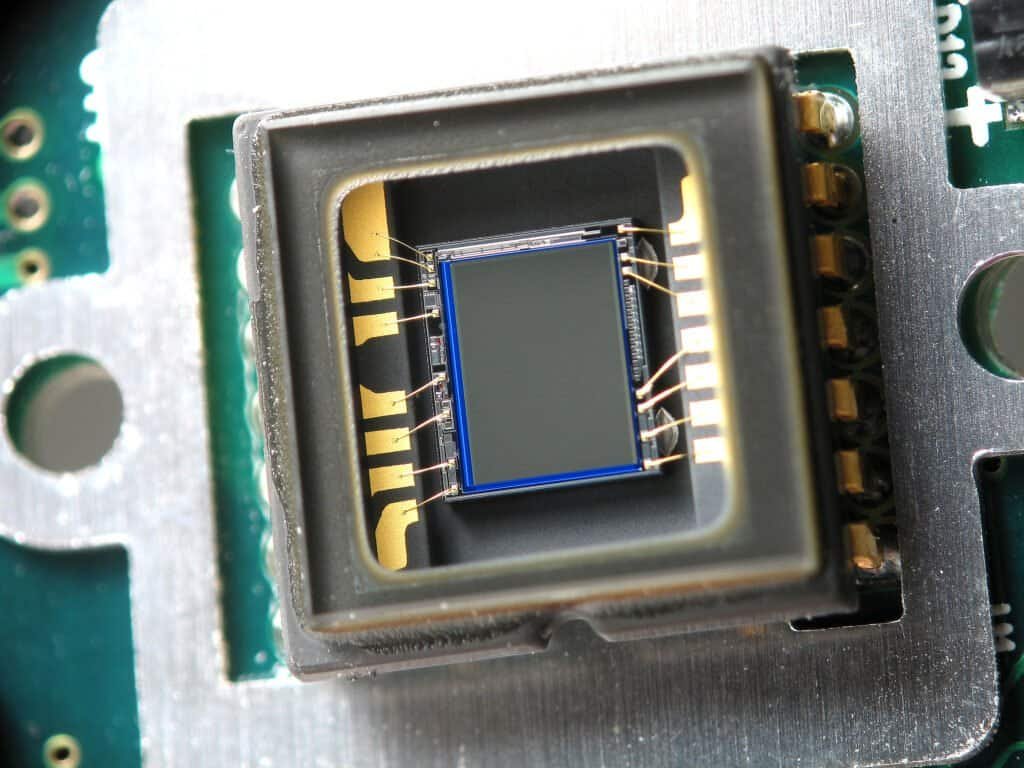
Image: Andrew Magill, Wikimedia Commons, licensed under CC BY 2.0.
For more background on how these systems are built, see Wikipedia’s overview of multimodal learning and OpenAI’s own announcement, Hello GPT-4o. To compare how today’s leading multimodal assistants stack up, see our guide to choosing between GPT-5, Gemini, and Claude.